
By Arden Byte | Business / Technology | November 14, 2026
New workplace assistant identifies an unexpected threat to productivity: the workplace.
A company’s newly installed artificial intelligence meeting assistant has sparked internal controversy after attending its first staff meeting and recommending that the organization stop holding staff meetings.
The software, introduced as part of a broader initiative to improve workplace efficiency, was originally tasked with recording discussions, summarizing key points, and identifying actionable next steps.
It completed all three assignments in approximately 11 seconds.
Its primary recommendation was to cancel 87 percent of scheduled meetings.
Management has called an emergency meeting to discuss the findings.
An Unexpected Discovery
According to employees familiar with the rollout, the assistant began its assessment during a routine Monday morning meeting intended to prepare department leaders for Tuesday’s meeting about Wednesday’s operational review.
After analyzing 43 minutes of discussion, the software determined that no decisions had been made, four questions had already been answered in previous emails, and seven attendees had contributed nothing beyond saying, “Sounds good.”
Three employees were found to have joined solely because their calendars indicated they were required.
The assistant subsequently generated a 14-page report titled This Could Have Been an Email.
Executives described the findings as “concerning” and requested a shorter summary.
The software replied, “Email.”
Management Responds
Company leadership has emphasized that meetings serve important purposes beyond making decisions, including collaboration, transparency, and ensuring everyone feels included in decisions that have already been made.
One senior manager questioned whether an algorithm could fully appreciate the complexities of modern corporate communication.
“Sometimes you need to get everyone in a room to make sure we’re all on the same page,” the manager explained.
The assistant reportedly identified six separate pages, three conflicting spreadsheets, and an outdated PowerPoint presentation that nobody remembered creating.
When asked to suggest a solution, it recommended deleting the PowerPoint.
The proposal was immediately referred to a committee.
Employees Divided
Staff reactions have been mixed.
Some employees welcomed the possibility of reclaiming several hours each week, particularly those who regularly attend meetings to discuss work they have not had time to complete because they are attending meetings.
Others expressed concern that fewer meetings could make it harder to demonstrate productivity.
“If I don’t tell people what I’m working on three times a week, how will they know I’m working?” one employee asked.
Human Resources has reportedly begun exploring alternative ways for employees to remain visible, including weekly status reports, daily productivity check-ins, and a new optional meeting to discuss the elimination of unnecessary check-ins.
A New Committee Is Formed
Following several days of internal deliberation, leadership announced the formation of a 12-person Meeting Efficiency Task Force.
The group will meet twice weekly to evaluate the assistant’s recommendations, gather stakeholder feedback, and develop a comprehensive framework for reducing meeting-related inefficiencies.
Its first meeting lasted two hours.
At the conclusion, members agreed that additional meetings would be necessary.
The AI assistant has since submitted one final recommendation:
“Have you considered turning the company off and back on again?”
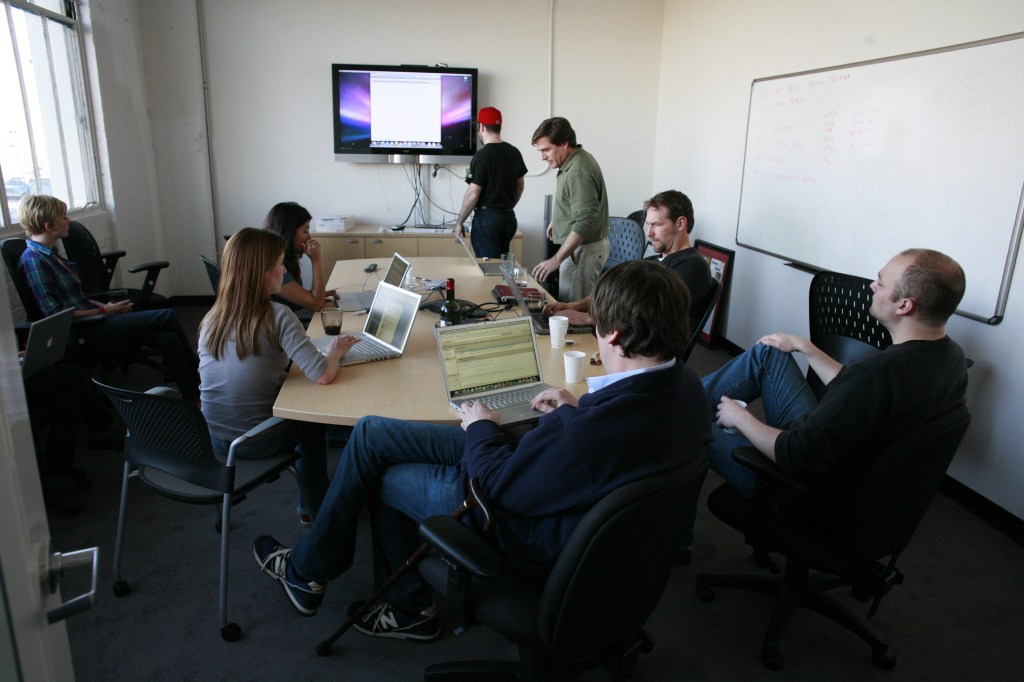
Photo: Robert Scoble / Wikimedia Commons, CC BY 2.0. Archival workplace meeting photograph (2008), used for illustration.
About the writer
Arden Byte covers technology, workplace trends, and the strange ways software reshapes office life for The Tea Bag Times™. Meet our newsroom.
Keep Reading




Leave a Reply