
By Marina Gale | World | November 14, 2026
ANTALYA, Türkiye — Delegates attending the United Nations COP31 climate conference have gathered to address one of the most urgent challenges facing the planet: getting dozens of governments to agree on what should happen next.
Unfortunately, that challenge contains a second, equally ancient obstacle: arranging a meeting to discuss the agenda for the meeting that will determine how future meetings are arranged.
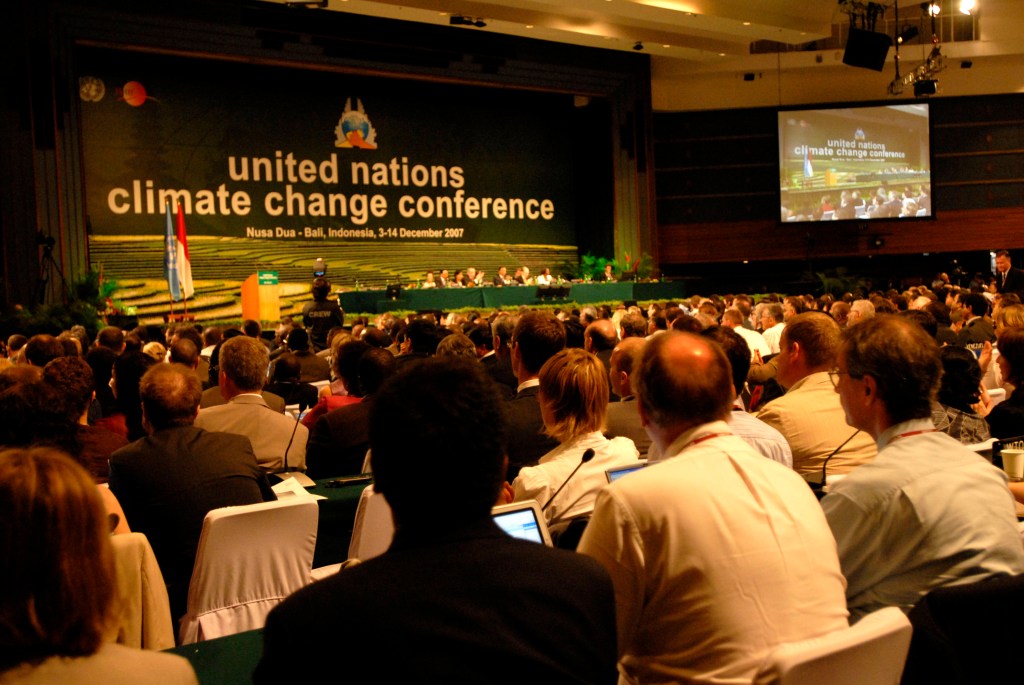
The conference, which runs from November 9 through November 20 in Antalya, brings together negotiators, officials and observers to advance international action on climate change.
The real agenda includes difficult questions about reducing emissions, financing climate measures and helping communities adapt to a warming world. All require careful negotiation. None can be solved by announcing that everyone is now on the same email thread.
As any office employee knows, the more important a problem becomes, the greater the temptation to assign it a conference room, a slide deck and a follow-up call.
International diplomacy has developed this instinct to an exceptional level.
A single sentence in a draft agreement can produce several rounds of discussion, three proposed alternative sentences and a request to defer wording until a smaller group has reached consensus on the meaning of consensus.
None of this is unusual in multilateral negotiations, where countries must reconcile different priorities and levels of responsibility. It does, however, create excellent employment prospects for anyone whose primary skill is writing ‘please see attached’ without visible signs of fatigue.
The logistics alone would overwhelm a typical corporate calendar. Delegates must navigate formal sessions, side events, briefings, working groups and the occasional conversation in a hallway that somehow becomes more important than the scheduled discussion.
Coffee is an unofficial renewable resource of international conferences. It is continually replenished, consumed at scale and responsible for keeping a surprising amount of global infrastructure operational.
The Tea Bag Times has been unable to confirm whether the conference has calculated the carbon footprint of phrases such as ‘circling back’ or ‘taking this offline.’
Some negotiations require urgency and patience in equal measure. Climate science does not operate on an adjustable deadline, while agreements among governments rarely arrive on the first attempt.
That tension explains why the work is serious even when the administrative machinery offers endless opportunities for comedy.
As COP31 proceeds, diplomats will continue pushing for meaningful outcomes. The rest of the world will continue hoping that at least one meeting ends with an actual decision.
Should additional consultations be required, the newsroom recommends creating a working group to evaluate whether the working group needs a meeting.
Photo: Archival photograph of the 2007 UN climate conference in Bali: Ng Swan Ti / Oxfam International / Wikimedia Commons, CC BY 2.0. This image does not depict COP31.
About the writer
Marina Gale covers weather, climate and the environmental stories shaping our world for The Tea Bag Times™. Meet our newsroom.
Keep Reading




Leave a Reply