
By Penny Marsh | Economics Correspondent
WASHINGTON — Americans searching for relief from the cost of going out have discovered a promising alternative: staying home, where admission is free and practically everything else is a recurring charge.
Across the country, households are trading restaurant reservations for grocery runs, movie tickets for streaming queues, and expensive weekends for the bold new experience of sitting on furniture they already own.
The shift has been described as “cocooning,” a comforting term for turning one’s home into a restaurant, cinema, coffee shop, recreation center and occasionally an unlicensed hair salon.
There is just one complication. All five establishments are somehow operating at a loss.
Dinner Reservations Give Way to Grocery Receipts
The underlying change is real. In its summer 2026 Consumer Pulse survey, KPMG reported that 67% of consumers were eating at home more often than dining out. Among those cooking at home more frequently, 76% identified budget constraints as their main reason.
For many families, a night at a restaurant now requires consideration of entrée prices, taxes, tips, transportation, parking and whether anyone at the table might make the reckless financial decision to order a beverage.
Cooking at home eliminates several of these expenses. It also introduces new ones, including ingredients used once, a special sauce purchased for a single recipe and a family member asking whether there is anything else to eat.
The resulting meal may cost considerably less than dining out, provided nobody begins the evening by purchasing an air fryer, an espresso machine and a matching set of bowls.
The Small Treat Economy Has Entered the Chat
Americans are not necessarily giving up pleasure. They are attempting to purchase it in smaller, more defensible quantities.
A 2026 SurveyMonkey study found that 62% of Americans indulge in small, affordable treats at least monthly, with food and drinks among the most popular choices.
This has created a new category of personal finance in which a costly dinner is considered irresponsible, but a specialty coffee, scented candle and decorative throw blanket each qualify as an entirely separate emergency.
The purchases are commonly referred to as “little treats,” though their combined monthly total occasionally requests a meeting with the household budget.
A person who once spent Friday night visiting three establishments may now stay home, brew coffee, light a candle, turn on a movie and feel they have saved an extraordinary sum of money. Whether they have actually saved it is a question best addressed after the credit card statement arrives.
The Living Room Becomes the New Downtown
At-home entertainment is also making a comeback, from board games and movie nights to cooking with friends and watching someone else renovate an apartment on television.
The appeal is understandable. At home, there are no reservations, no cover charges and no bartender asking whether the table is ready to close out. There is, however, a streaming service that has quietly increased its price, a television subscription nobody remembers choosing and an internet bill required to enjoy either one.
For the truly budget-conscious, parks, libraries and community events offer alternatives that do not require turning every free evening into an online shopping opportunity.
Others are embracing do-it-yourself projects, discovering they can save money on basic maintenance, meal preparation and personal grooming—although one unsuccessful home haircut can quickly convert the savings into a professional correction fee.
Not Everyone Has Stopped Going Out
The trend is not a declaration that restaurants are empty or that Americans have suddenly become permanently attached to their sofas. The National Restaurant Association’s third-quarter 2026 survey still found substantial restaurant activity, alongside widespread concern about affordability.
What appears to be changing for many households is the arithmetic: fewer casual splurges, more deliberate outings, and a growing desire to make each dollar feel as though it did something useful.
Meanwhile, necessities such as rent, insurance, utilities and groceries continue to claim their portion of the budget before anyone has the chance to decide what counts as fun.
In this environment, staying home may be less a lifestyle revolution than a practical attempt to make the weekend feel enjoyable without adding another payment due on the first.
And if that means a homemade pasta dinner, an old movie and friends on the couch, the arrangement has one major advantage over the restaurant experience: nobody is expected to calculate an 18% tip for bringing out the chips.
At press time, the nation had successfully canceled its dinner reservations. The scented candle industry remained cautiously optimistic.
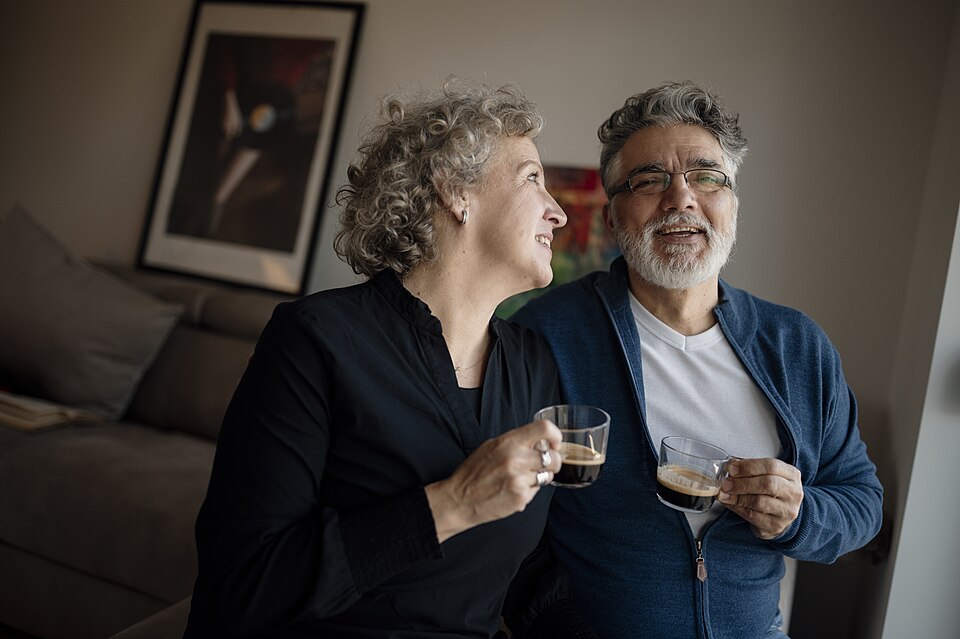
Research referenced: KPMG Consumer Pulse, Summer 2026; SurveyMonkey Treatonomics, March 2026; and National Restaurant Association Consumer Insights, Q3 2026. Examples of household habits and the closing observations are editorial satire, not survey findings. Photo: Shixart1985 / Wikimedia Commons, CC BY 2.0; illustrative photograph taken January 2026, resized for display.
About the writer

Penny Marsh is The Tea Bag Times™ economics correspondent, covering household budgets, corporate logic and the price of convenience. She approaches every receipt as an economic document and every subscription as a potential mystery. Meet our newsroom.
Keep Reading




Leave a Reply