
By Reid Frame | Opinion | November 12, 2026
There was a time when buying something meant a fairly straightforward exchange: you handed over money, received the thing and then, in a remarkable display of economic restraint, nobody charged you again next month.
Businesses have since identified this arrangement as a serious missed opportunity.
Today, a person can subscribe to entertainment, software, cloud storage, meal kits, fitness plans, home security features and a remarkable number of services that promise to help manage all the other subscriptions. Ownership has become a temporary condition subject to renewal.
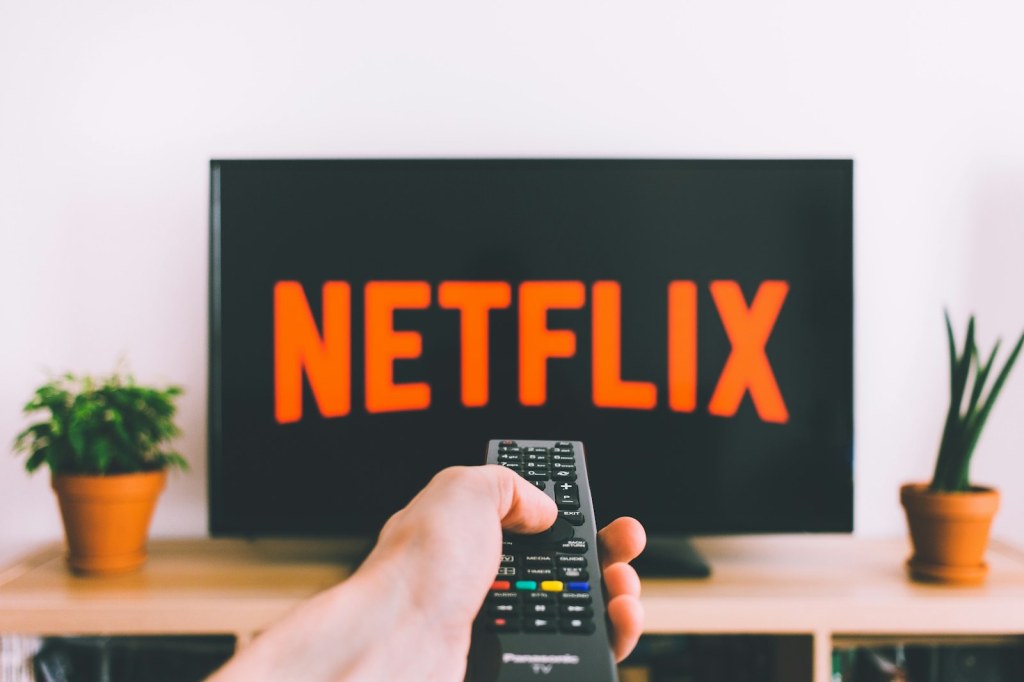
Consider television. We were told streaming would free us from expensive cable bundles, endless channels and the indignity of paying for programming we did not watch. In response, the industry created a collection of separate streaming services that, when combined, offer an impressively accurate reenactment of the cable bill.
To watch one show, you need one app. To watch its spinoff, you need another. To watch the movie everyone at work is discussing, you must first discover which corporation currently owns the right to let you see it. By the time you locate the film, it has moved to a different platform.
The subscriptions are not content merely to exist. They come in tiers. There is a basic tier, a premium tier and an especially premium tier that allows you to experience the product without being interrupted by advertisements for the product you are already paying to use.
Removing commercials, once the chief attraction of paying for streaming, has been repackaged as an optional luxury. Congratulations: the future has invented paying extra for silence.
Software has followed the same path. An application that once arrived in a box with a license you could keep now wants an ongoing relationship. It promises automatic updates, seamless syncing and the opportunity to fund its continued existence every 30 days. The software is no longer a tool. It is a small, demanding tenant living in your computer.
Then there are the free trials. Their central innovation is the belief that a customer who forgets to cancel has demonstrated meaningful enthusiasm. The product may have been used once, for six minutes, but the recurring charge remains optimistic about the future of the relationship.
Cancellation is a separate art form. Joining can take one tap. Leaving may require finding a settings menu, navigating three retention offers, confirming that you understand the benefits you will lose and answering a final question about whether you are absolutely certain you wish to stop paying money.
Yes. That is what the first five clicks were meant to convey.
None of this means subscriptions are inherently bad. Paying regularly for a service that provides ongoing value can make sense. The problem is the growing corporate conviction that every product should become a permanent financial commitment, even when the customer’s original ambition was simply to buy something and move on with life.
The real measure of progress should not be how many things a company can bill monthly. It should be whether the product makes the customer’s life better after the initial purchase.
Until then, I have decided to simplify my finances. I am canceling anything I do not need, reviewing my bank statements and setting aside time each month to manage the services that were supposed to save me time.
I would make it a recurring calendar event, but I suspect the calendar app will charge me.
Photo: freestocks / Unsplash. Real illustrative photograph (2018).
About the writer

Reid Frame writes for The Tea Bag Times. Meet our newsroom.


Leave a Reply