
By Penny Marsh | Opinion | November 12, 2026
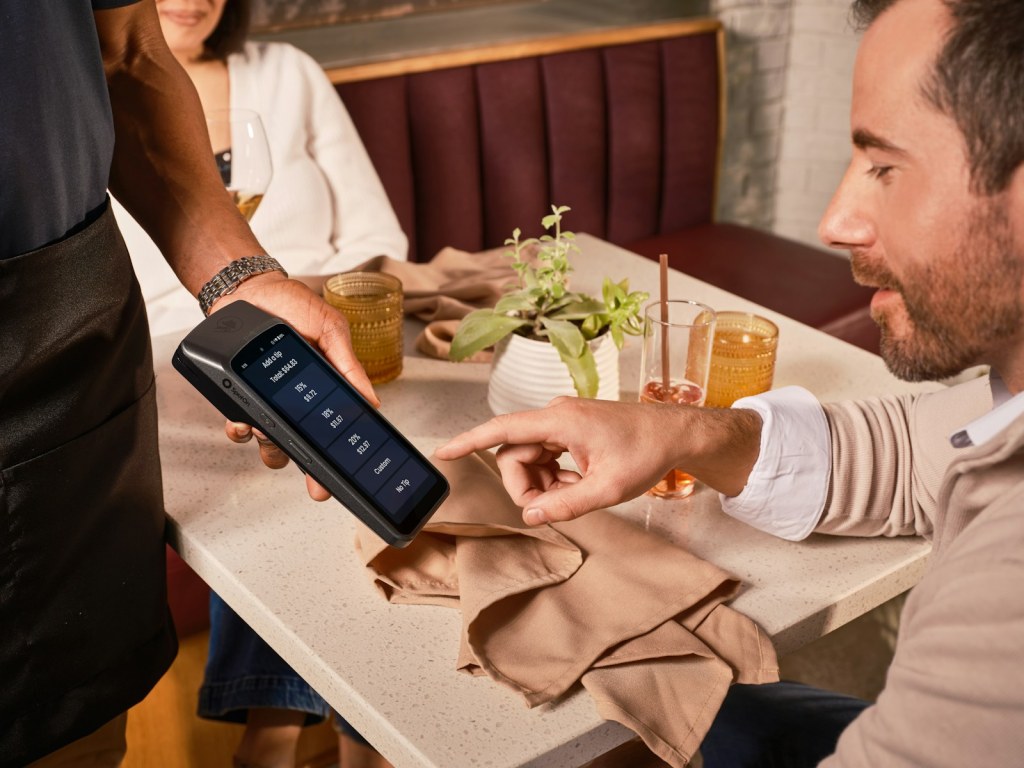
The modern American transaction has a new final step. After you select your purchase, confirm the total and prepare to leave, a small screen turns toward you and asks whether you would like to contribute another 20 percent to the experience of having purchased something.
Sometimes a person has made you a drink. Sometimes a person has handed you a bag. Sometimes you have located the item, carried it to the counter, scanned it yourself and done most of the work short of balancing the register at closing time. The screen is not interested in these distinctions.
It simply offers 18 percent, 20 percent and 25 percent, with the confidence of an institution that has never experienced embarrassment.
To be clear, tipping workers who actually provide service is not the problem. Servers, bartenders and other service workers depend on gratuities in many establishments, and customers should not punish them for a system they did not design. The problem is that businesses have discovered a convenient way to turn the checkout counter into a referendum on the customer’s character.
Consider the choreography. You order a coffee. The cashier rotates a tablet toward you. The machine presents several generous percentages in large, welcoming type. The option to leave no tip is available, often in a smaller font, somewhere near the digital equivalent of a fire exit.
You are now expected to make a financial decision under the observation of the employee, the people behind you and a screen that appears disappointed in your upbringing.
The extraordinary thing is how little service must occur before this ceremony begins. The tip is sometimes requested before the drink exists. The employee has not yet made it. The customer has not yet tasted it. Nevertheless, the transaction has reached the stage where gratitude is being collected in advance, like a security deposit on politeness.
Employers benefit from this arrangement. Instead of paying workers enough and incorporating labor costs into prices, some businesses can invite customers to solve the compensation question one awkward tap at a time. A $7 sandwich becomes a small group project in wage policy.
And then there is the percentage itself. If the price of the sandwich goes up, the requested tip rises automatically, even if the act of handing over the sandwich has not become more technically demanding. Inflation now apparently applies to the motion of moving a paper bag eighteen inches across a counter.
Customers have begun to develop survival strategies. Some study the screen as though deciphering an international treaty. Others press ‘custom amount’ with the furtive concentration of someone disabling a security alarm. A few have mastered the art of selecting no tip while maintaining eye contact. These people should be considered for diplomatic service.
A reasonable society can support good service workers without demanding a moral confession from everyone buying bottled water. Businesses could pay transparent wages. Prices could reflect actual costs. Tips could return to being a gesture of appreciation instead of a mandatory-looking pop quiz.
Until then, the next time a payment terminal asks whether you would like to add 25 percent, you are entitled to ask a question of your own: For what, exactly?
Do not ask it aloud. The tablet may be listening.
Photo: SpotOn / Unsplash. Real illustrative photograph (2026).
About the writer

Penny Marsh writes for The Tea Bag Times. Meet our newsroom.


Leave a Reply