
By Celia Thread | Culture / Books | November 12, 2026
HARARE, Zimbabwe — Zimbabwean writer Simbarashe Kundizeza has been cleared of allegations that he used artificial intelligence to write his prize-winning short story, an outcome that confirms something that once required considerably less paperwork: a writer wrote a story.
The Caine Prize for African Writing upheld his award after an investigation that included interviews and analysis of draft metadata. Kundizeza had denied the allegation, which followed a report relying in part on an AI-detection tool.
The story, ‘The Blue Fighter,’ draws on difficult family and economic experiences. The decision to clear its author should close the specific dispute, though it has opened a larger one about how confidently anyone can identify machine-written prose.
Until recently, writers were expected to submit a manuscript, revise it and explain why the ending worked. The newer unofficial process may also involve producing drafts, timestamps, notes and evidence that a human being was present during the writing.
That is an unusual amount of documentation for a profession whose most common workspace is a laptop next to an unfinished cup of coffee.
AI-detection services can produce false positives. That matters especially when a flawed judgment can damage an author’s reputation. The controversy also generated debate about whether African and Black writers face disproportionate suspicion.
The Caine Prize announced additional disclosure requirements and plans for an AI-use policy. Institutions may need clear rules, but none of them can avoid the basic difficulty of evaluating original writing in a world where polished language is increasingly treated as suspicious.
For writers everywhere, the advice remains familiar: keep the drafts. Not necessarily because they improve the finished story, but because one day you may have to prove that you were the one who made the mistakes in the earlier versions.
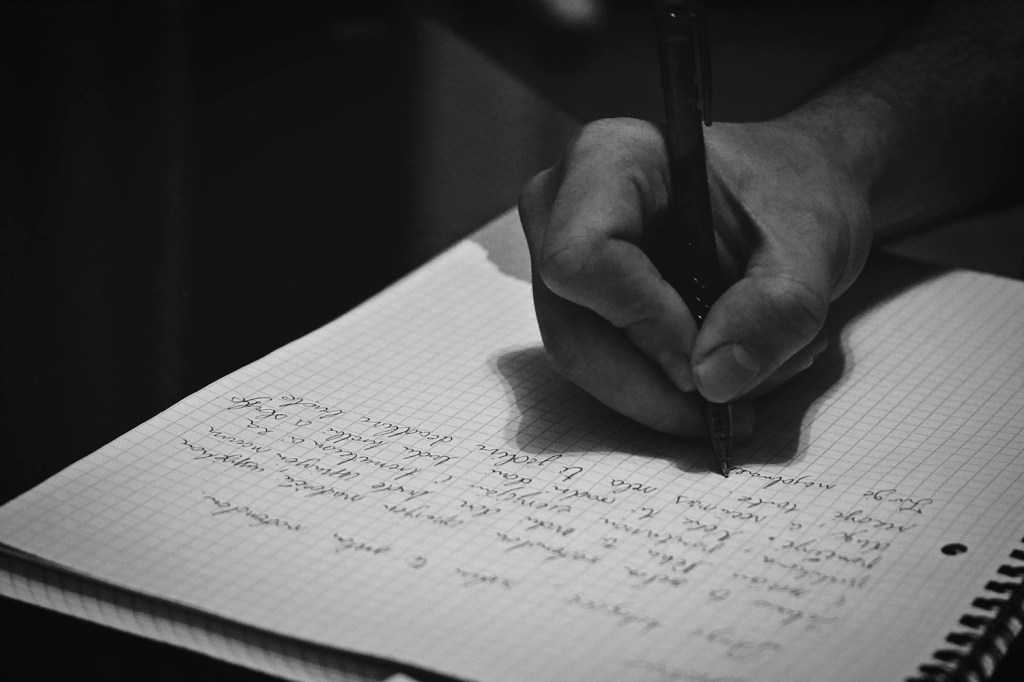
Photo: nedimshoots / Unsplash. Illustrative photograph, not the author.
Related reporting: Associated Press, Caine Prize review · The Guardian, November 12 report
About the writer
Celia Thread covers culture and family for The Tea Bag Times. Meet our newsroom.


Leave a Reply