
By Penny Marsh | Business / Economics | November 12, 2026
WASHINGTON, D.C. — The federal government’s latest inflation report arrived Tuesday with tables, percentages and a conclusion many American households had already reached while standing at the supermarket checkout.
The Bureau of Labor Statistics reported that consumer prices increased 0.4% in October on a seasonally adjusted basis. Food prices rose 0.5% for the month, including a 0.4% increase for food purchased at home.
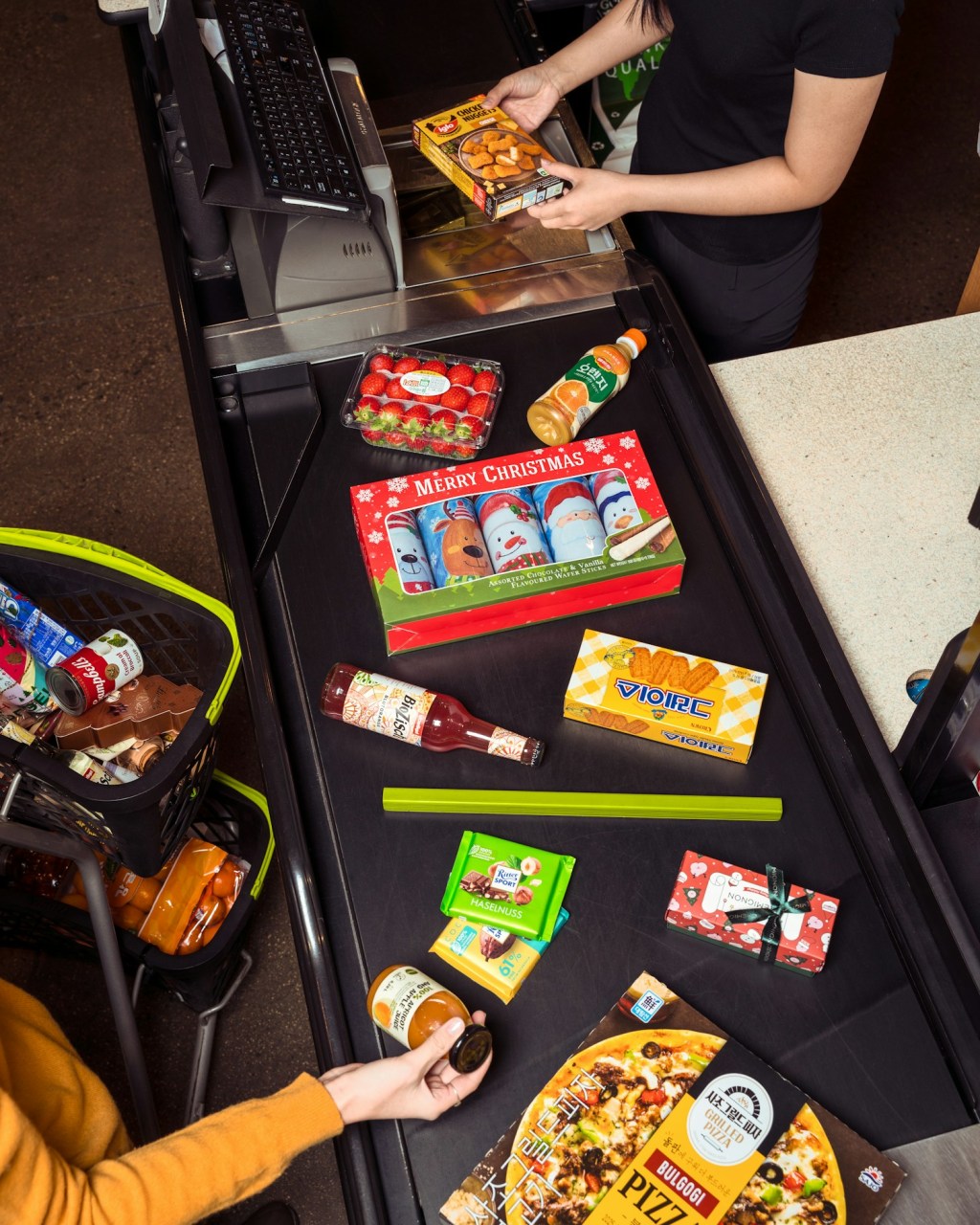
Economists will parse the numbers for signs about the broader economy. Shoppers have been conducting a simpler study: entering the grocery store for a few things and leaving with a receipt that invites a second look.
An ordinary shopping trip now requires a degree of restraint once associated with major financial decisions. A shopper may begin with a sensible list, add two things for lunch, one item requested by a child and a small treat, then spend the drive home examining where the plan went wrong.
The phrase ‘we have food at home’ has become less an argument and more a household fiscal policy. Its enforcement varies by parent, but its popularity is strongest immediately after the card reader displays the total.
The inflation report also illustrates a subtle but important distinction. Slower price increases do not mean prices have returned to where they were. That is a point economists make carefully and families encounter every time they compare their current shopping bill with what they remember spending a few years ago.
At the kitchen table, the modern budget is typically divided into rent, utilities, transportation and the grocery category known informally as ‘apparently more than we thought.’
Officials will continue watching the numbers. Households will continue watching the receipt. Both groups are hoping for better news, although only one of them has to put the cereal away afterward.
Photo: Enkhjin photography / Unsplash. Illustrative photograph.
Related reporting: U.S. Bureau of Labor Statistics, October 2026 CPI
About the writer

Penny Marsh covers economics for The Tea Bag Times. Meet our newsroom.


Leave a Reply